On this page
If you're visiting from a dry climate, Japan's summer humidity will shock you. In strong sun and high humidity, 30°C can feel closer to the high 30s — especially when walking on pavement with little shade. You will sweat through cotton in 20 minutes. Pack quick-dry fabrics, carry a small towel, and plan indoor AC breaks every couple of hours. This guide will get you prepared.
Japan's summer runs from June through August, and it's the most physically demanding season for travelers. You're dealing with three things at once: the rainy season (tsuyu) in June and early July, extreme humidity that doesn't let up until September, and indoor air conditioning cold enough to make you shiver.
But summer also brings some of Japan's best experiences — massive fireworks festivals, vibrant summer matsuri, Obon celebrations, and the chance to wear a yukata to evening events. The key is dressing for the reality of the climate, not what the temperature alone suggests.
This is part of our What to Wear in Japan series. If you're visiting in late May or early September, check our spring guide and autumn guide for those shoulder months.
Which climate region is my destination?
Type a city or prefecture to find which section of this guide to follow.
June — Rainy Season (Tsuyu)
June is Japan's rainy season in much of the country. In Tokyo, Osaka, Kyoto, and most Pacific-side cities, tsuyu usually runs from early June to mid-July, bringing frequent rain, cloudy skies, high humidity, and occasional heavy downpours. It does not necessarily rain all day every day, but you should plan as if rain is likely. The air feels thick, and nothing dries quickly. The Japan Sea side (Kanazawa, Niigata) tends to be wetter than Tokyo across many seasons — pack for rain there too. For the capital, save our Tokyo rainy-day activity guide before the forecast changes.
Temperatures are warm but not scorching yet: Tokyo averages 26°C/19°C (high/low), and Osaka, Kyoto, and most Pacific-side cities are similar. Note that Kyoto can feel hotter due to its basin geography trapping heat and moisture. The problem isn't the heat — it's that nothing dries. Your clothes stay damp, your skin stays sticky, and anything cotton clings to you like a wet towel.
What to Wear in June
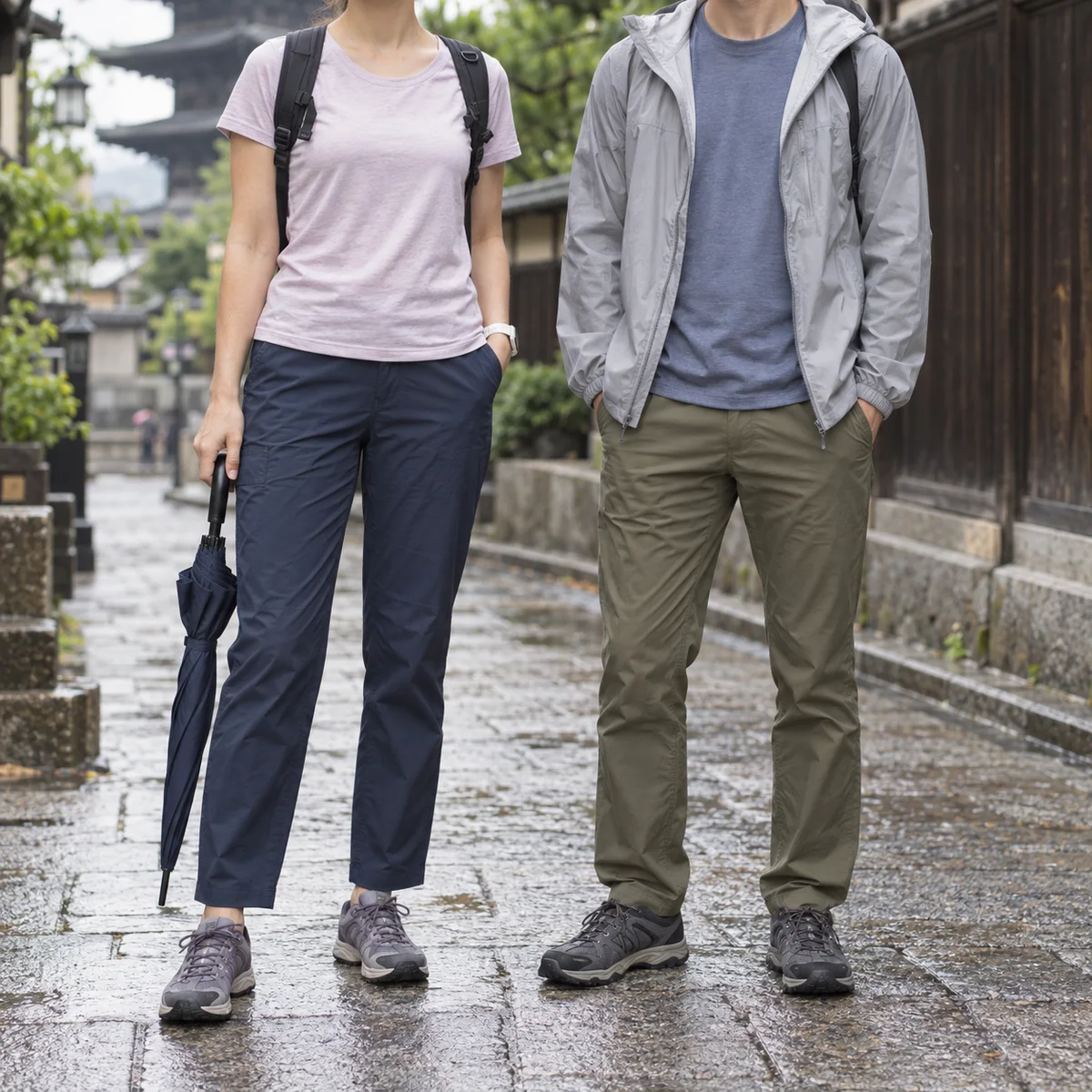
- Quick-dry tops — synthetic or moisture-wicking fabrics, not cotton. T-shirts, blouses, or camp-collar shirts in polyester blends or linen
- Lightweight quick-dry pants or skirts — nylon travel pants, linen trousers, or light skirts. Avoid heavy denim
- Waterproof shoes or quick-dry sneakers — your feet will get wet. Waterproof Gore-Tex sneakers or quick-dry trail shoes are ideal. Leather shoes will get ruined
- Compact folding umbrella — strongly recommended. Convenience stores sell them for around ¥500-700 as a backup, but bringing a sturdy compact umbrella saves money, time, and hassle
- Light rain jacket or poncho — a packable rain shell for heavier downpours, especially if you're visiting temples with lots of outdoor walking
- Waterproof day bag or bag cover — protect your electronics and passport
Okinawa's tsuyu runs mid-May to mid-June — it ends as the mainland's begins. Hokkaido has no official rainy season, so June is often one of the best choices if you want a lower chance of tsuyu-style rain. It can still rain, but the weather is usually more comfortable than much of mainland Japan, and by late June Hokkaido is pleasant at 22°C with wildflowers blooming.
June Temperature Reference
Temperatures are rounded monthly average highs and lows based on long-term climate normals (Japan Meteorological Agency). Recent summers have been hotter than the historical average — always check the forecast before departure.
| Region | High / Low | Humidity | Rainfall | Rainy Season |
|---|---|---|---|---|
| Tokyo | 26°C / 19°C | 75% | 170mm | Approximately Jun 7 - Jul 20 (varies year to year; Osaka, Kyoto, and most Pacific-side cities share this climate) |
| Japan Sea Side (Kanazawa) | 25°C / 18°C | 75% | 180mm | Wetter than Tokyo across many seasons; high humidity and persistent rain during tsuyu |
| Hokkaido | 22°C / 13°C | 65% | 50mm | No tsuyu |
| Okinawa | 30°C / 25°C | 80% | 250mm | Tsuyu ends mid-June |
July — Peak Heat Arrives
Once tsuyu ends around mid-July, long rainy spells become less common, but sudden downpours and thunderstorms can still happen — and now the sun is out in full force. July is when Japan's summer becomes genuinely intense. Tokyo hits 30°C/23°C (Osaka, Kyoto, and most Pacific-side cities are similar — Kyoto's basin geography makes it feel even worse), and the humidity keeps pushing above 75%. On hot, sunny days the "real feel" climbs well into the high 30s°C, especially on pavement. The Japan Sea side can see foehn-driven heat spikes on some days too.
This is the month where clothing strategy matters most. What you wear directly affects how miserable or manageable your day feels.
What to Wear in July
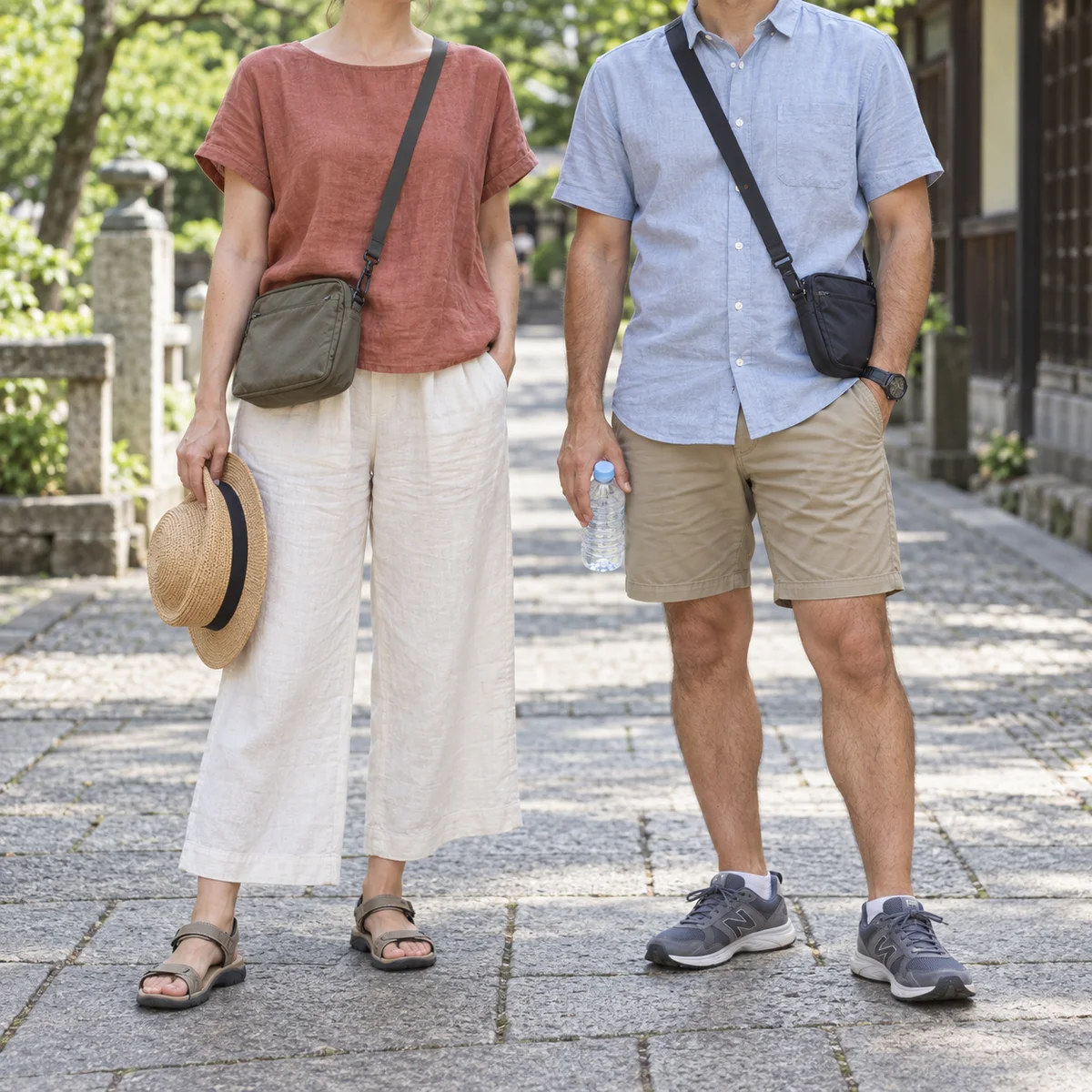
- The lightest fabrics you own — linen shirts, moisture-wicking synthetics, or UNIQLO AIRism undershirts (more on this below). Light colors reflect heat better than dark ones
- Loose-fitting clothes — anything tight traps heat against your skin. Loose linen pants, flowy dresses, and relaxed-fit shorts all work
- Shorts are fine for cities, casual sightseeing, and most summer activities. For temples, shrines, nicer restaurants, or more traditional areas, knee-length shorts, cropped pants, or a longer skirt feel more appropriate — choose them from the start rather than packing extra bottoms to change into
- Sun hat, cap, or folding parasol (higasa) — essential for outdoor sightseeing. Wide-brimmed hats and UV-blocking folding parasols are increasingly worn by both men and women in Japan; they're sold at convenience stores and 100-yen shops from around ¥1,000
- Sunglasses — July sun is strong, and you'll be squinting all day without them
- Sandals with straps (Tevas, Chacos, sport sandals) — great for hot days, and they double as temple-friendly slip-on shoes. Avoid flip-flops and very thin-soled sandals for long walking days; Japanese asphalt can reach 50-60°C in midday sun, and thin soles transmit serious heat to your feet
Sun Protection Strategy
Japanese sunscreen is famously effective — partly because Japan allows stronger UV-A blocking ingredients (mexoryl, octocrylene combos) than some markets, and uses a clear PA++++ rating system. Rather than packing heavy bottles from home, pick up Japanese brands on arrival:
- Anessa Perfect UV — the gold standard. Waterproof, sweat-resistant, SPF 50+ PA++++. Around ¥3,000 at most drugstores
- Biore UV Aqua Rich Watery Essence — lightweight, non-greasy, and affordable at around ¥800. A cult favorite for good reason
- Skin Aqua UV Super Moisture Gel — budget-friendly (around ¥700) and excellent for daily reapplication
You can find these at any Matsumoto Kiyoshi, Sundrug, or Welcia drugstore. Note: many drugstores offer tax-free shopping for eligible tourists on purchases over ¥5,000 in a single store, but consumable items bought tax-free generally must not be opened or used in Japan — if you plan to use sunscreen or cooling sheets during your trip, buy them at the regular (taxed) price.
Japanese news reports multiple heatstroke (熱中症, necchūshō) cases daily in July and August. Drink water constantly — not just when you're thirsty. Rest in air-conditioned spaces every 1-2 hours. Vending machines everywhere sell water, sports drinks, and mugicha (barley tea).
On serious heat days, the Japan Meteorological Agency and Ministry of the Environment issue Heat Stroke Alerts based on the WBGT index — when an alert is out, reduce outdoor sightseeing, avoid long walks in the midday sun, and prioritize indoor stops. Some municipalities open designated cool spots (cooling shelters) in libraries, community centers, and shopping streets.
Severe heatstroke can mean an ER visit or hospitalization — and Japan has no free healthcare for tourists, so check that your travel insurance for Japan covers it before you go.
If you feel dizzy, nauseous, confused, or stop sweating, get to a cool place immediately. In an emergency, dial 119 for an ambulance. Knowing the word necchūshō helps if you're trying to explain symptoms in Japanese.
 Fixed-trip first quote
Heymondo Travel Insurance
Medical and cancellation cover for a fixed-date summer trip
Why it may fit
Japan has no public healthcare for tourists, and a summer heatstroke ER visit or hospital stay can cost far more than a policy. For a set-date holiday, compare the Heymondo quote and issued medical limits before you fly. Heymondo excludes US residents; JAPANODE readers receive 5% off where eligible.
Before booking
Check the live price, availability, eligibility, and terms before paying.
Tattoos at Pools, Beaches, Onsen, and Gyms
Summer brings more exposed skin — and more facilities with strict tattoo rules. Many Japanese public beaches, swimming pools, water parks, gyms, sento (public bathhouses), and traditional onsen still refuse entry to anyone with visible tattoos, regardless of size or design.
How to handle it:
- Adhesive tattoo cover stickers (タトゥーシール) are sold at Don Quijote, most drugstores, and on Amazon Japan for ¥500-1,500 a pack. They peel cleanly and work for ankle-, wrist-, and shoulder-blade-sized pieces.
- Look up tattoo-friendly facilities in advance. Search "tattoo OK" or use Tattoo Friendly Japan (
tattoo-friendly.jp). - Private alternatives. Ryokan with in-room rotenburo (open-air baths) and hotel pools/spas with private cabins bypass the question entirely.
- Cover up in transit areas. Even where tattoos are tolerated in the bath, some facilities ask you to cover them in changing rooms and lobby areas.
Mosquitoes (蚊)
Japan's summer mosquito presence is real, especially around temples, shrines, parks, river walks, gardens, and any hiking or evening festival. The risk of serious mosquito-borne illness is low for travelers, but the bites themselves can ruin a hike or a tatami sleep.
- Insect repellent spray — Kincho Saratect is the most common drugstore brand (¥500-1,000), available at Matsumoto Kiyoshi, Sundrug, Welcia, etc.
- Patch-style stickers for clothing — sold at Don Quijote and 100-yen shops, useful for kids.
- Portable battery-powered mosquito repellents (e.g. Earth Norimat) — clip to a belt; effective at festivals and outdoor seating.
- Avoid late-evening forest walks in shorts without protection.
August — Same Heat, Festival Season
August is essentially the same weather as July — 31°C/24°C in Tokyo (Osaka, Kyoto, and most Pacific-side cities are similar) — with humidity that refuses to drop. The clothing strategy from July carries straight through. But August adds two things: summer festivals and the Obon holiday period.
Festival Clothing: Yukata
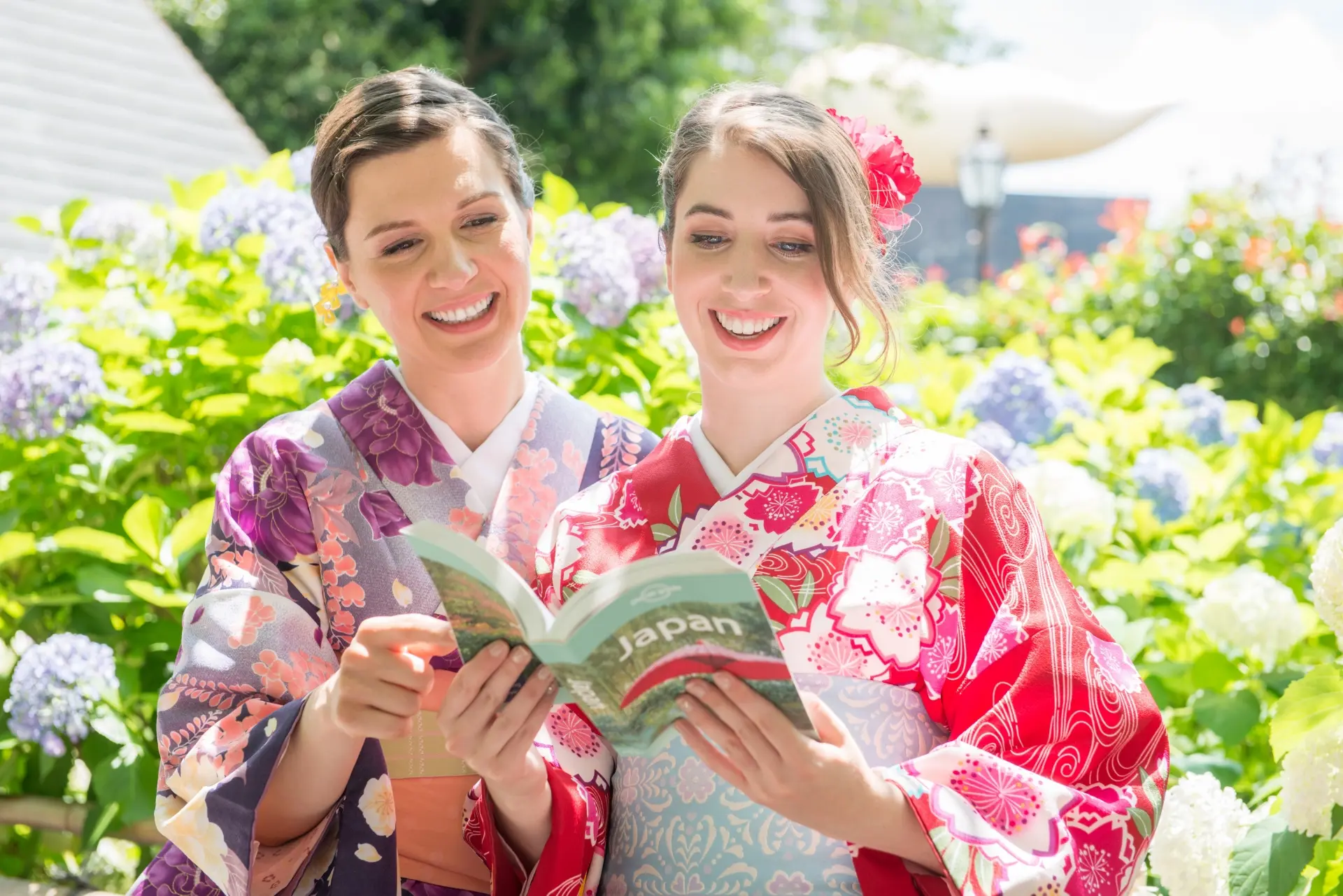
August is peak matsuri (festival) season. Major events include Aomori Nebuta, Tokushima Awa Odori, and countless local fireworks festivals. This is when you'll see Japanese people wearing yukata — light cotton summer kimono — to evening events.
You can absolutely join in:
- Yukata rental shops operate near major festival areas and tourist districts (Asakusa, Gion, Kyoto, etc.) — basic packages start from around ¥3,000-5,000 per person, with premium designs, hair styling, and accessories pushing some packages to ¥7,000-10,000. Confirm whether dressing assistance and hair styling are included before booking
- UNIQLO and department stores sell affordable yukata sets from around ¥3,000-4,000 for a basic set
- No experience needed — rental shops dress you. Men's yukata are simpler and faster to put on
Wearing a yukata to a summer festival is one of the most genuinely fun cultural experiences in Japan. A practical note: yukata are 100% cotton with a tied obi, so while they're designed for summer evenings, they're warmer than a t-shirt in midday heat. Most people change into them just before the evening event. A common local trick is to wear a UNIQLO AIRism camisole or crew neck underneath — it manages sweat far better than skin against cotton.
Obon is Japan's major summer holiday when many people return to their hometowns. In much of Japan it's observed around August 13-16, though some regions follow a different schedule. Trains, flights, and hotels are packed, and prices spike around this period. If your trip overlaps with Obon, book transportation and accommodation far in advance. The upside: spectacular Obon festivals and bon odori dancing events.
Typhoon Season Awareness
Typhoons can form in any month, but for travelers, the main disruption risk is summer through early autumn (July-October), peaking in August-September. Okinawa and Kyushu are usually affected first; some typhoons track through Kansai and Kanto (Tokyo). In August:
- Check weather apps daily — download a weather app and enable notifications before your trip. Our eSIM guide covers getting connected on arrival
- Okinawa travelers: have a backup plan. Flights get cancelled, ferries stop running, and beaches close during typhoons. It's not every week, but it happens
- Pack a waterproof phone case — useful for typhoon rain and also for summer downpours
- If a typhoon hits: stay indoors, follow local guidance, and don't try to sightsee through it. Japanese infrastructure handles typhoons well, but they're still dangerous
 Best Value
Airalo Japan eSIM
Stay connected through typhoon season — from ~$4
Why it may fit
Typhoon season means checking forecasts, JR delay alerts and Google Maps constantly — and airport WiFi is slow right after a long flight. An eSIM gets you online the moment you land. Airalo's Japan plans start from ~$4 with easy app-based setup.
Before booking
Check the live price, availability, eligibility, and terms before paying.
Regional Differences: Full Summer Breakdown
Japan's summer varies dramatically depending on where you go. Here's the complete picture:
| Region | Month | High / Low | Humidity | Key Notes |
|---|---|---|---|---|
| Tokyo | Jun | 26°C / 19°C | 75% | Tsuyu — rain gear essential. Osaka, Kyoto, and most Pacific-side cities share this climate |
| Jul | 30°C / 23°C | 78% | Peak heat begins post-tsuyu. Kyoto basin traps heat — can feel worse | |
| Aug | 31°C / 24°C | 75% | Peak heat continues, festival season | |
| Japan Sea Side (Kanazawa) | Jun | 25°C / 18°C | 75% | Tsuyu with heavy rain and high humidity. Wetter than Tokyo across many seasons |
| Jul | 29°C / 22°C | 78% | Hot and humid. Foehn effect can cause extreme heat days | |
| Aug | 31°C / 23°C | 75% | Peak heat, similar to Tokyo. Occasional typhoon influence | |
| Hokkaido | Jun | 22°C / 13°C | 65% | No tsuyu — pleasant, wildflowers |
| Jul | 25°C / 17°C | 70% | Warm but comfortable, lavender season | |
| Aug | 26°C / 19°C | 70% | Japan's best summer weather | |
| Okinawa | Jun | 30°C / 25°C | 80% | Tsuyu ends mid-June, then beach season |
| Jul | 32°C / 27°C | 78% | Beach weather, typhoon season starts | |
| Aug | 32°C / 27°C | 78% | Beach + typhoon risk |
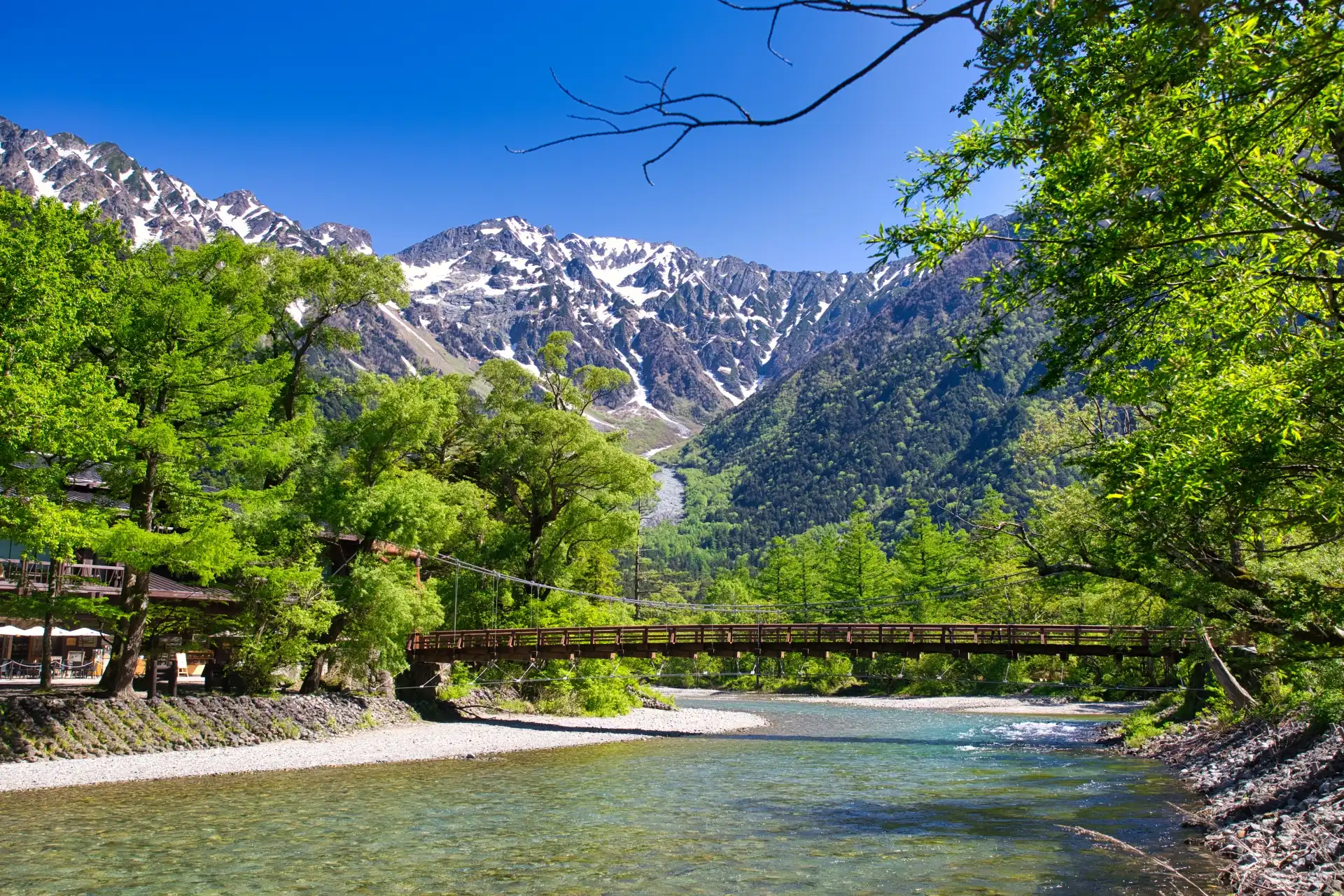
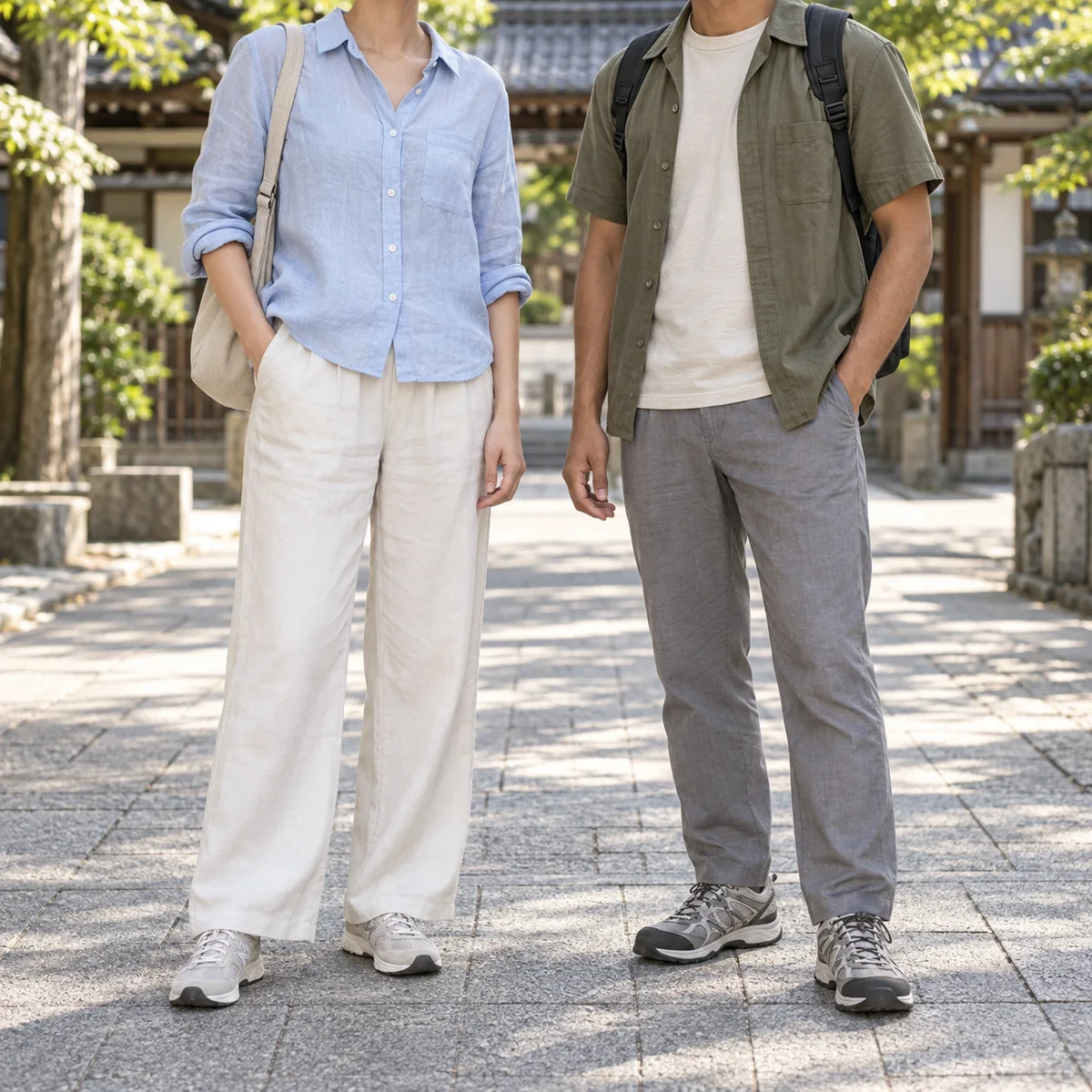
If you have flexibility in your itinerary, Hokkaido in July-August is the smartest move. Highs of 25-26°C with tolerable humidity, gorgeous lavender fields in Furano, and fresh seafood in Otaru and Hakodate. Many Japanese families head north specifically to escape the mainland heat.
For a flower-focused visit, use our Furano and Biei flower-field guide to match the garden, bloom period and transport. Lavender has a shorter season than the gardens themselves, and exposed countryside walks still need sun and rain protection.
A Mild Hokkaido Summer Day
The Indoor AC Problem
Here's the thing about Japanese summer that catches everyone off guard: the temperature swing between outdoors and indoors. You may go from 33°C outdoors into a train, shop, or restaurant that feels dramatically cooler — sometimes cool enough to make you shiver after sweating outside. Repeat that cycle 10 times a day, and you'll understand why many people in Japan carry a light layer year-round.
How to Handle It
- Always carry a light layer in your day bag — a thin cardigan, linen shirt, or packable hoodie. You'll put it on inside, take it off outside, all day long
- Choose a layer that packs small — it needs to fit in your bag without taking up much space. UNIQLO AIRism UV protection hoodies are designed for exactly this
- Dry yourself before entering AC spaces — walking into a chilled train while soaked in sweat will give you chills fast. Use your small towel
- Restaurants can feel especially cold if you sit for a while after sweating outdoors — that light layer becomes essential
The indoor-outdoor swing is also why cotton is such a bad choice in Japanese summer. Cotton absorbs your sweat outdoors, then the AC freezes it against your skin indoors. Quick-dry fabrics wick the moisture away so the transition doesn't hit you as hard.
Summer Packing List
Here's what I'd pack for a summer trip to Japan (Tokyo and Pacific-side cities like Osaka/Kyoto focus). Adjust for the Japan Sea side (more rain gear year-round), Hokkaido (slightly warmer clothes), or Okinawa (add swimwear, reef-safe sunscreen).
Clothing
- 3-4 quick-dry or linen tops (not cotton)
- 2 pairs lightweight pants or skirts (one for temples)
- 2-3 pairs of shorts
- 1 light cardigan or packable hoodie (for AC)
- 5-7 pairs moisture-wicking underwear
- 5-7 pairs thin socks (plus one pair in your day bag for temple visits in sandals)
- 1 light dress or smart-casual outfit (for nicer restaurants)
- Sleepwear (or use hotel-provided yukata/pajamas)
Footwear
- 1 pair comfortable walking shoes (waterproof or quick-dry preferred)
- 1 pair sport sandals or strappy sandals (for hot days and easy temple access)
Accessories & Gear
- Compact folding umbrella
- Packable rain jacket (for June tsuyu or typhoons)
- Sun hat or cap
- Sunglasses
- Small towel or tenugui (Japanese thin towel) — carry daily
- Waterproof phone case or pouch
- Reusable water bottle — refill at water fountains where available, or buy cold drinks from vending machines and convenience stores
- Waterproof bag cover or dry bag for electronics
Don't overpack — Japan has everything you might forget. UNIQLO sells AIRism undershirts, UV protection hoodies, and linen shirts at every location (current prices vary — check store or uniqlo.com). Convenience stores sell compact umbrellas, towels, and basic clothing. Drugstores stock world-class sunscreen, mosquito repellent, and cooling sheets.
Many UNIQLO stores and drugstores offer tax-free shopping for eligible tourists on purchases over ¥5,000 in a single store — but consumable items bought tax-free generally must not be opened or used in Japan. If you plan to use sunscreen, cooling sheets, or mosquito repellent during your trip, buy them at the regular taxed price. Clothing has no such restriction.
Staying Cool: Local Survival Tactics
Living in Japan, you pick up tricks for surviving summer that tourists don't always know about. Here are the ones that actually make a difference:
Cooling Body Sheets
Every konbini (7-Eleven, FamilyMart, Lawson) and drugstore sells cooling body sheets (冷感ボディシート, reikan body sheet) and sweat-wiping sheets (汗拭きシート, asefuki sheet) — wipes that give you an instant menthol cooling hit. They cost around ¥200-400 per pack and feel incredible at 2 PM when you're melting on a Kyoto temple route. Common brands:
- Biore Hiya Sheet (Biore 冷シート) — light menthol, women-friendly scent
- Gatsby Ice Deodorant Body Paper — strong cooling, marketed to men but works for anyone
- Sea Breeze Body Sheet — classic menthol with a citrus scent
- Men's Biore Gokuhie (極冷タイプ) — the most aggressive cooling sensation
Grab a pack on your first day. They're in the personal care aisle near the face wipes. For uphill open-sun sites like Fushimi Inari Taisha or Kiyomizu-dera, start early in the morning or go later in the day when possible — midday in July-August on these stairways is genuinely punishing.
Cooling Sprays
Drugstores also sell cooling sprays that Japanese commuters use daily. Spray on skin or wipe down with a sheet, and you get a cooling menthol effect that lasts 15-20 minutes. They're a summer survival staple here.
Vending Machine Strategy
Japan has roughly 4 million vending machines — one of the highest densities in the world. They're everywhere in summer: stations, parks, and many rural areas. As of 2025-2026, ice-cold drinks generally run ¥130-210 for 500ml PET bottles (smaller cans are sometimes ¥100-130). Key summer picks:
- Mugicha (barley tea) — caffeine-free, hydrating, and the classic Japanese summer drink
- Pocari Sweat or Aquarius — electrolyte sports drinks, essential if you're sweating heavily
- Cold green tea — refreshing and available in every machine
- Frozen drinks — some machines sell partially frozen bottles (look for machines labeled with a snowflake icon)
Department Store and Mall Breaks
When the heat gets unbearable (and it will), duck into a department store. Depachika (basement food floors) are air-conditioned, fascinating to explore, and offer free samples. You can spend 30 minutes cooling down, browsing beautifully arranged food, and sampling wagashi (Japanese sweets) — then head back out refreshed.
The Tenugui: Your Best Summer Accessory
You'll notice many Japanese people carrying a small thin towel in summer. This is a tenugui — a traditional Japanese cotton towel that's thin, lightweight, and dries incredibly fast. Use it to:
- Wipe sweat from your face and neck
- Drape over your neck as sun protection
- Wet it at a water fountain for an instant cool-down
- Dry your hands in restrooms (many don't have dryers or paper towels)
You can buy tenugui at 100-yen shops (Daiso, Seria), department stores, or temple gift shops. Some have beautiful traditional patterns and make great souvenirs.
UNIQLO AIRism: The Japan Summer Hack
If you're going to buy one thing in Japan for summer comfort, make it a UNIQLO AIRism undershirt or camisole. AIRism is UNIQLO's moisture-wicking, quick-dry, anti-odor fabric designed specifically for Japanese humidity. Wear it as a base layer under any top — including under a yukata — and it manages sweat noticeably better than wearing a regular shirt alone.
- AIRism cotton crew neck or camisole — invisible under most shirts; a good general base layer
- AIRism UV protection hoodie — doubles as your indoor AC layer and sun protection
- AIRism leggings — popular with women for under skirts or dresses
UNIQLO stores are everywhere in Japan. The Ginza flagship in Tokyo and the Osaka Shinsaibashi store are the largest, but even small-city locations carry the full AIRism range. Current prices vary year to year — check the in-store tags or uniqlo.com for today's pricing. Non-consumable items like clothing are eligible for tax-free shopping on purchases over ¥5,000 in a single store.
Drying Clothes Fast in the Humidity
Hotel bathrooms with the exhaust fan running are your best bet. Many business hotel bathrooms (Toyoko Inn, APA, Dormy Inn, etc.) have a kansō (乾燥, drying) button on the ventilation panel — press it and the fan runs at full speed, drying hung clothes overnight. Quick-dry fabrics will be ready by morning. Cotton will still be damp. Coin laundromats with dryers (around ¥100 per 10 minutes) are the backup plan.
When Does the Heat Break?
Real cooling doesn't start until mid-September, and even then, the humidity lingers through early October. If you want to catch the tail end of summer with slightly better weather, the last week of September is the sweet spot. Note that early-to-mid September itself is still effectively summer (treat it as summer for packing purposes); the article order in our hub deliberately covers early-Sep with the summer guide and late-Sep with the autumn guide.
More in this series: Check our main What to Wear in Japan hub for all seasons, or read the First-Time Japan Guide if you're still in the planning stage.
Last verified May 16, 2026. Climate ranges based on long-term JMA monthly normals for representative cities; recent summers have been notably hotter than the historical average. Vending machine drink prices, UNIQLO clothing prices, and yukata rental packages can change year to year — always confirm at the operator or store before relying on a specific figure. Tax-free shopping rules for consumable items are also subject to change (Japan's tax-free system has a scheduled overhaul ahead).
Make it your trip
Still planning your Japan trip?
Pick the question on your mind. Compare your options, check the details and take one more thing off your list.
Which eSIM fits your Japan trip?
Maps, messages, hotspot use: compare five providers by data allowance, network and plan limits before you choose.
Find my Japan eSIM
What should your travel insurance cover?
Compare medical cover, cancellation and activity limits across five options, with the exclusions worth checking.
Compare cover & limitsWould a JR Pass save you money?
Add your train journeys and compare individual tickets with the nationwide pass. See which costs less for your route.
Calculate my rail costsFrequently Asked Questions
Very. Humidity often runs 75-80% in Tokyo, Osaka, and most Pacific-side cities during July-August, so 30°C can feel much hotter — especially in strong sun on pavement. Kyoto feels worse because its basin geography traps heat and moisture, and the Japan Sea side gets foehn-driven heat spikes. Cotton becomes heavy and uncomfortable; quick-dry synthetic fabrics or linen work much better. Carry a small towel for sweat and drink water constantly.
Tsuyu is Japan's annual rainy season, typically running from early June to mid-July in most Pacific-side cities (Tokyo, Osaka, Kyoto). It brings frequent rain, overcast skies, and high humidity — not necessarily rain all day every day, but plan as if rain is likely. Okinawa's tsuyu runs mid-May to mid-June (earlier than the mainland). Hokkaido has no official rainy season. The Japan Sea side is generally wetter than Tokyo across many seasons.
Not for outdoors, but yes for indoors. Trains, department stores, and restaurants run AC significantly cooler than outside — often cool enough to make you shiver after sweating outside. A light cardigan or thin hoodie that fits in your day bag is very useful for the constant temperature swing. UNIQLO AIRism UV hoodies are popular because they double as sun protection.
Yes, significantly. Sapporo highs are around 22-26°C with lower humidity and no tsuyu — it has Japan's most comfortable summer climate. Many Japanese travel to Hokkaido specifically to escape the mainland heat. You'll still want light clothing but can skip the most extreme heat-survival gear.
Often no. Many Japanese public beaches, pools, gyms, water parks, sento (bathhouses), and onsen still refuse entry to people with visible tattoos, regardless of size. Adhesive tattoo cover stickers (タトゥーシール) are available at Don Quijote, most drugstores, and on Amazon Japan. Private hotel pools, in-room baths at ryokan, and a growing list of tattoo-friendly facilities are alternatives — check ahead.
Yes — especially at temples, shrines, parks, river walks, and any hike or evening festival. Japanese drugstores stock effective insect repellents (Kincho Saratect is a common brand) for around ¥500-1,000. Patch-style stickers and battery-powered repellents are also widely sold at Don Quijote and 100-yen shops. The risk of mosquito-borne illness is low for travelers, but the bites themselves are annoying enough to ruin a hike.
Written by
JAPANODE
Based in Japan, sharing real travel tips & local insights for visitors. Follow us on Instagram @thejapanode for daily Japan content.