On this page
Japan's tax-free shopping system is changing on November 1, 2026. Instead of getting an instant tax deduction at the register, you'll pay full price, complete customs export confirmation before departure, and receive the refund by the method offered by the shop or its refund provider.
The ¥5,000 minimum-purchase threshold stays in place. Some online guides have claimed the minimum is being abolished — that is not correct. What changes are the consumables-vs-general-goods split and the ¥500,000 consumables cap, not the ¥5,000 minimum.
If you're planning a trip to Japan, here's something worth knowing: tourists can save roughly the consumption tax on most retail purchases by using the tax-free shopping system. That tax is Japan's consumption tax — similar to VAT in Europe or GST in Australia — and as a short-term visitor, you're eligible to get it back.
But the way you get that tax back is about to change dramatically. Whether you're visiting Japan this summer or later in 2026, this guide covers everything you need to know — with corrections to a few widely-repeated mistakes that have spread online.
USD figures use approximately ¥156/USD (May 2026). Rates fluctuate.
How Tax-Free Shopping Works in Japan
Japan's standard consumption tax (消費税, shōhizei) is 10%, but food and non-alcoholic beverages are taxed at a reduced 8% rate. As a tourist on a short-term visit, you can get this tax exempted (current system) or refunded (new system) on eligible purchases — that's 8–10% off electronics, clothing, cosmetics, snacks, and much more, depending on the item's tax rate.
Who Qualifies?
You're eligible for tax-free shopping if you:
- Hold a foreign passport with "temporary visitor" entry status — not sure about your visa situation? Check with our Japan Visa Calculator. Most visa-exempt visitors receive up to 90 days, with shorter periods for some nationalities. Eligible citizens such as UK and Austrian nationals initially receive 90 days and must apply for an extension before expiry to stay longer. Six months is not automatic; check the MOFA conditions
- Are purchasing items for personal use (not for commercial resale)
- Meet the non-resident eligibility conditions; for an ordinary foreign tourist, the purchase must be within six months of entry
Japanese citizens living abroad may also qualify as "temporary returnees" if they meet the official requirements, but the rules differ — check the National Tax Agency guidance for that specific case.
Carry your original passport. A photo or copy is not a substitute. Participating stores may accept the official Visit Japan Web tax-free shopping QR; that is different from a passport photo and is not supported everywhere.
Tax-Free vs. Duty-Free: Two Different Things
This trips up a lot of travelers. Tax-free and duty-free are completely separate systems:
| Tax-Free Shopping | Duty-Free Shopping | |
|---|---|---|
| What it is | Exemption or refund of Japan's consumption tax | Exemption from import duties and taxes |
| Where | Regular stores in the city with a "Tax Free" logo | Airport shops inside security/departure zones |
| Who processes it | The store's tax-free counter | The airport shop at checkout |
You can buy a camera tax-free at BIC Camera in Shinjuku, and then buy whisky duty-free at the airport — they're independent systems. But remember: duty-free alcohol, tobacco, and high-value purchases may still count toward your destination country's customs allowances, so don't over-buy at the airport on the way home.
The Big Change: November 1, 2026
Japan is overhauling its tax-free shopping system — the biggest reform in over a decade. Here's a clear before-and-after comparison:
| Before November 2026 (until Oct 31, 2026) | From November 2026 | |
|---|---|---|
| How you save | Tax exempted at the register instantly | Pay tax at the register, complete customs confirmation at departure, then receive the refund from the store or provider |
| Minimum purchase | ¥5,000 (excl. tax) per store per day | ¥5,000 (excl. tax) per store per day — UNCHANGED |
| Item categories | Two categories: consumables vs. general goods, with different rules | Unified — one set of rules for everything |
| Consumable packaging | Must be sealed in special bags, can't open in Japan | No sealing required — but goods must still be exported, not used in Japan |
| Consumable spending cap | ¥500,000 per store per day | No cap |
| High-value tracking | None | Items at ¥1,000,000+ per piece require identifying info (serial number, etc.) recorded by the store |
| When you get money back | Immediately at the store | After customs confirmation, by the method and timing offered by the store or refund provider |
| Time limit to claim | N/A | Customs confirmation must be completed within 90 days of purchase |
What's Actually Going Away
- No more sealed bags. Under the current system, tax-free cosmetics, food, and medicine get sealed in plastic bags that you're not allowed to open until you leave Japan. From November, that rule is gone.
- No more confusing categories. The current split between "consumables" (food, cosmetics) and "general goods" (electronics, clothing) with different rules is unified into a single set of rules.
- No more consumable spending cap. The ¥500,000-per-store-per-day limit on consumables is abolished.
What's NOT Changing
- The ¥5,000 minimum stays. You still need at least ¥5,000 (excluding tax) per store per day. A ¥500 purchase is not eligible under either system.
- Goods must still be exported. Items you consume or use up in Japan are not eligible for the refund, even though the sealed-bag requirement is gone.
- Passport requirement. Carry your passport; participating stores may accept the official Visit Japan Web shopping QR.
The widely-repeated "you can open and use the skincare set at your hotel from November 2026" is wrong. Yes, the sealed-bag rule is abolished. But the underlying eligibility rule — that goods must leave Japan with you — is unchanged. If you eat the matcha or use up half the moisturizer in your hotel room, those items are not eligible for the refund and customs may flag the inconsistency at departure. Treat tax-free purchases as items you'll only open after leaving Japan.
The Trade-Off
You'll need to float the tax until your refund arrives. On ¥100,000 of shopping at 10% tax, that's ¥10,000 (~$64 USD) extra upfront that you'll get back after departure. And you'll need to budget extra time at the airport for the verification process.
The reform is driven by fraud prevention. Under the current instant-exemption system, organized buyers have been purchasing goods "tax-free" and reselling them domestically — pocketing the tax. The new pay-then-refund model ensures tax is only returned after confirmed export. Several public records have documented the scale of the problem, which motivated the policy change.
Shopping Tax-Free: Step by Step
If You're Visiting On or Before October 31, 2026 (Current System)
The current system is straightforward — you get the tax deducted on the spot:
- Find a participating store. Look for the red-and-white "Japan. Tax-Free Shop" logo at the entrance or near the register. Many tourist-area branches participate, but not every branch of every chain — confirm at the store before assuming.
- Spend at least ¥5,000 (before tax) at a single store in one day.
- Go to the tax-free counter with your items and passport. In department stores, this is usually a centralized counter on an upper floor.
- The store deducts the tax from your total and records the purchase electronically, linked to your passport.
- Follow the item rules:
- Consumables (food, drinks, cosmetics, medicine): sealed in a special bag — don't open it until you've left Japan. Must be taken out within 30 days.
- General goods (electronics, clothing, accessories): no sealing required. Must be exported when you leave; the six-month eligibility period is measured from entry into Japan, not from each purchase.
- At departure: Customs may check your tax-free purchases at the airport. Keep your passport accessible.
Large department stores like Isetan, Takashimaya, and Daimaru have centralized tax-free counters where you can combine purchases from multiple floors to reach the ¥5,000 minimum. Through October 31, 2026, combining general goods and consumables to reach the minimum requires the general goods to follow the consumables rules too, including special packaging and the ¥500,000 cap. Ask the counter which purchases can be combined. National Tax Agency guidance.
If You're Visiting From November 1, 2026 (New Refund System)
The essential flow is pay tax at the store → complete customs export confirmation → receive the refund from the store or its provider. A separate provider account is required only if your store uses that process.
At the Store
- Shop as normal and reach at least ¥5,000 (excluding tax) at one store on the same day — the same minimum as the current system.
- Tell the cashier you'd like tax-free processing ("Tax free, please" works fine) and show your passport. At stores that support it, the QR code in Visit Japan Web can stand in for the physical passport — but support is not universal, so carry the passport anyway.
- Pay the full price including consumption tax — yes, you pay the tax upfront this time.
- The store electronically registers your purchase with the National Tax Agency's Tax-Free Sales Management System (the official back-end system; you don't interact with it directly).
- Ask how this store will refund you. A tax-free shop can refund you itself or use a contracted service provider. Follow any registration instructions it gives you and confirm methods, fees and timing. Keep all receipts and take backup photos.
Some online guides incorrectly describe "J-TaxRefund" as the Japanese government's official refund platform. It is not — J-TaxRefund is the registered service name of a private refund-service company. A store may handle refunds itself or contract a private provider; there is no universal requirement to register with a private platform. The government's role is the back-end Tax-Free Sales Management System, which stores submit to.
Before Departure: Follow Your Store's Refund Instructions
If the store uses a refund platform, complete the registration it requests before departure:
- Follow the link / QR provided by the store at purchase
- Confirm your passport details and purchase information
- Select your refund method from the options the shop or provider offers. The National Tax Agency lists bank transfer, credit-card or app refunds, and cash at the departure port as possible methods; no single method is guaranteed
If you shop at multiple stores using different refund providers, you may need to register on more than one platform.
At Departure: Customs Verification and Refund
Important timing rule: customs verification must be completed within 90 days of purchase. In practice, that means at the airport (or seaport) when you depart Japan.
- Go to the tax-free procedure terminal BEFORE checking in your baggage. The terminal sits in the international departure lobby, on the public side of security.
- Or skip the terminal queue and use Visit Japan Web. At seven airports — Narita, Haneda, Kansai, Chubu, Fukuoka, New Chitose and Naha — the Japan Tourism Agency and JNTO say you can complete the initial procedure online through Visit Japan Web instead of queuing at a kiosk, using the dedicated Wi-Fi provided in the designated departure-lobby areas up to the security checkpoint. It replaces the terminal step only — if you are directed to inspection, you still go there in person with your goods.
- Present your passport at the terminal (or complete the equivalent step in Visit Japan Web). The system pulls up your registered purchases.
- Customs result: depending on your case, you'll get either a Green Result (no further inspection required) or a Red Result (proceed to the customs inspection area with your items).
- Have all the tax-free goods with you at this point — every item from each purchase transaction must be present. If even one item is missing, none of the tax-free goods in that purchase transaction qualifies for the refund. If you have partly or fully consumed consumables, do not proceed at the terminal: report this to a customs officer at the counter. See the Japan Tourism Agency FAQ.
- After customs confirmation, the refund is paid by the tax-free shop itself, or by the refund-service provider the shop has contracted. The law does not prescribe one refund method: the National Tax Agency's July 2026 Q&A lists bank transfer, credit-card or app refunds, and cash at the departure port as examples. Availability, fees and timing vary by shop or provider; a card refund may take days to a billing cycle.
The airport list, the Visit Japan Web alternative, the before-check-in rule and the Green/Red result flow above are as published by the Japan Tourism Agency and JNTO. Both are worth re-checking close to your travel date — this system does not go live until November 1, 2026, and operational details at individual airports can still move.
The procedure terminal is in the international departure lobby before baggage check-in. Once you've checked your bags, you cannot retrieve them to show items to customs. If your tax-free items are in a checked bag, complete the tax-free procedure first, then check the bag.
Also: if you leave Japan without completing the customs verification within 90 days, the refund is forfeited. There's no way to claim it after departure. Set a phone reminder and arrive at the airport with at least 30 extra minutes to spare.
What You Can (and Can't) Buy Tax-Free
Eligible Items
Most tangible goods purchased for personal use qualify:
- Electronics — cameras, headphones, laptops, game consoles, smartphones
- Clothing & fashion — designer brands, shoes, traditional Japanese wear
- Cosmetics & skincare — Japanese beauty products (hugely popular with visitors), sunscreen
- Food & snacks — Kit Kats, matcha, sake, Japanese whisky, wagashi sweets (note: most food taxed at 8% reduced rate)
- Medicine & supplements — Japanese health products, pain patches, eye drops
- Watches & jewelry — luxury items with high tax-free savings
- Stationery & crafts — pens, washi tape, art supplies
What Doesn't Qualify
- Services — hotel stays, restaurant meals, tours, spa treatments, transportation
- Anything consumed on-site — food eaten at a restaurant, drinks at a bar
- Items for commercial resale — buying 50 of the same item raises red flags
- Items you mail abroad yourself as separate shipments — since April 2025, showing an EMS or courier receipt at departure does not qualify the purchase for the tourist tax-free scheme. This is different from a store-arranged direct-export transaction: the National Tax Agency's current Q&A still describes prescribed routes in which the store or an approved international freight operator exports the goods directly
- Gold and platinum bullion, gold coins, and similar high-fraud-risk items — managed as separately excluded items under the new system
- Items consumed or used up in Japan (under the new system) — even with sealed packaging gone, the export requirement remains
A typical shopping trip might look like this: ¥30,000 in skincare (10% tax) + ¥25,000 headphones (10%) + ¥15,000 in snacks and sake (food 8% / alcohol 10% — mixed) + ¥10,000 in clothing (10%) = ¥80,000 total tax-included.
For items taxed at 10%, the refund is roughly 9.1% of the tax-included price (because the tax is the 10/110 portion, not a flat 10% of the total). For 8%-rate items, it's ~7.4%. Your actual refund depends on the tax rate applied to each item — typically ~¥6,000–¥7,000 on an ¥80,000 mixed basket.
Where to Shop Tax-Free
Look for the "Japan. Tax-Free Shop" logo — a red circle design with "TAX FREE" written inside. Many tourist-area branches participate, but not every branch of every chain offers tax-free service. Confirm at the store before shopping.
Electronics
- BIC Camera — excellent English support, streamlined tax-free counters, massive selection. Staff often hand you a discount coupon on top of the tax-free savings.
- Yodobashi Camera — similar to BIC Camera with huge multi-floor stores near major stations. Tax-free counters on each floor.
- Don Quijote (Donki) — the legendary "everything store." Open late (many 24 hours). Tax-free counter near the exit handles all processing.
Department Stores
- Isetan / Mitsukoshi — premium department stores with centralized tax-free counters. Ask which counters participate in same-day aggregation; not every concession is necessarily included.
- Takashimaya — similar setup with a centralized tax-free service counter.
- Daimaru — particularly popular in Osaka and Kyoto locations.
Drugstores & Beauty
- Matsumoto Kiyoshi (Matsukiyo) — one of Japan's largest drugstore chains by visibility. The go-to for skincare, cosmetics, and medicine.
- Welcia — Japan's largest drugstore chain by store count, with similar stock; crowding varies by location.
- Ainz&Tulpe — curated selection of Japanese beauty products.
Fashion & Lifestyle
- UNIQLO — tax-free available at most tourist-area locations. Stock up on Japan-exclusive items.
- Muji — stationery, household goods, clothing, and snacks. Clean, organized tax-free process.
Don Quijote can feel overwhelming — multiple floors of tightly packed everything. But for tax-free shopping, it's one of the easiest stores. Check the tax-free counter location and minimum purchase requirements with staff before paying. They handle everything, and many locations have multilingual staff.
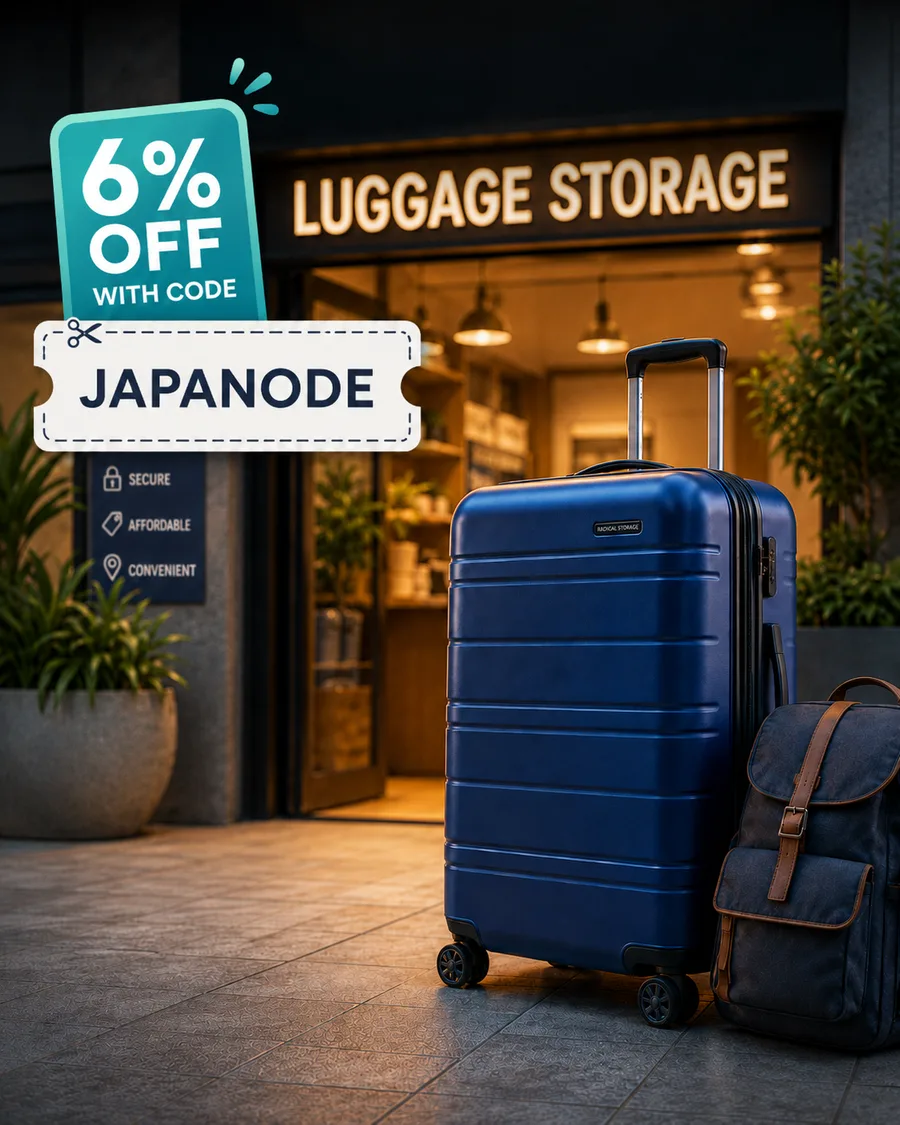
The problem that is specific to a serious tax-free run is not connectivity — it is the pile of bags. A BIC Camera box, Donki haul, and department-store shopping can turn the rest of the day into luggage duty, especially before check-in or after checkout. Our Japan luggage-storage guide compares hotel storage, lockers, staffed counters, and reservable services. If you need a bookable spot near the shopping district, this is the option we would check:
 JAPANODE reader deal
Radical Storage — Luggage Storage Across Japan
Shop hands-free before check-in or after checkout
Why it may fit
A serious tax-free run — BIC Camera box, Donki bags, a depachika haul — turns into hours of carrying if you shop before check-in or after checkout. Radical Storage lets you drop your suitcase (or the morning's shopping) by the day at vetted spots near the big shopping districts. Use code JAPANODE for 6% off.
Before booking
Check the live price, availability, eligibility, and terms before paying.
JAPANODE6% off
How Much Can You Actually Save?
The refund is the consumption tax — roughly 9.1% of the tax-included price for 10%-rate items, and ~7.4% for 8%-rate items (food and non-alcoholic beverages). Here's a realistic breakdown:
| Item | Price (tax included) | Tax Rate | Tax-Free Savings |
|---|---|---|---|
| Sony WH-1000XM5 headphones | ¥44,000 | 10% | |
| Japanese skincare haul | ¥20,000 | 10% | |
| Nintendo Switch OLED | ¥38,000 | 10% | |
| Casio G-Shock watch | ¥15,000 | 10% | |
| Snacks & matcha for gifts | ¥10,000 | 8% (food) | |
| Sake (alcohol) | ¥15,000 | 10% | |
| UNIQLO clothing haul | ¥12,000 | 10% | |
| Total example trip | ¥154,000 | mixed |
With the yen historically weak against the dollar and euro, prices are already favorable for international visitors. Tax-free savings stack on top of that. Just be aware that Japan has other costs that might not be on your radar — hotel taxes, cover charges, and more. See our guide to Japan's hidden travel costs for the full picture.
5 Mistakes That Cost You Money
1. Forgetting Your Passport
Carry your original passport. A photo or copy is not a substitute. Participating stores may accept the official Visit Japan Web tax-free shopping QR; that is different from a passport photo and is not supported everywhere.
2. Believing the "No Minimum" Claim (New System)
Several online guides have claimed the ¥5,000 minimum is abolished from November 2026. It is not. A ¥4,999 purchase is not eligible under either system. Plan your purchases to clear the ¥5,000 threshold per store per day.
3. Using Consumables in Japan (New System)
From November 2026, opening packaging alone does not automatically disqualify a purchase. However, consuming any of a tax-free consumable in Japan means you must report it to customs staff instead of using the terminal. All tax-free goods in that transaction must be present for export confirmation; if an item is missing, the whole transaction loses eligibility. Keep consumables unused until departure to avoid this problem.
4. Checking Bags Before Customs Verification (New System)
Complete customs export confirmation with the goods available before checking in luggage. Use a tax-free terminal, or Visit Japan Web where supported on the dedicated airport Wi-Fi. Follow any inspection instructions before handing your bags to the airline.
5. Mailing Tax-Free Purchases Yourself
The separate-shipment procedure for goods you buy tax-free and then send abroad yourself ended on April 1, 2025. Carry those purchases out with you. A sale exported directly by the store can fall under a different export procedure; ask the store before buying and do not assume your own postal shipment qualifies.
Tips for Maximizing Your Tax-Free Savings
Plan your shopping early. Don't save all your shopping for the last day, especially under the new system. You'll need time for any registration your store requires and the departure customs procedure. Shopping in the first few days gives you breathing room.
Reach ¥5,000+ per store on the same day. This is essential. Department stores let you combine purchases across floors at a central counter; specialty shops require you to clear ¥5,000 at that single store. Don't split ¥3,000 and ¥2,000 across two stores expecting to combine — that won't work.
Consolidate at department stores. If you're buying across multiple categories (cosmetics, clothing, accessories), doing it at one department store lets you combine everything at a single tax-free counter. Ask the counter about eligible combinations: through October 31, combining general goods and consumables to meet the minimum also makes the general goods subject to the consumables packaging and limit rules.
Keep a receipt envelope. Dedicate a small envelope or folder in your bag specifically for tax-free receipts. Take photos as backup. Under the new system, the receipt may be your only link back to the right refund provider.
Check the current terms of any store coupon. Some retailers publish tourist discounts, but the eligible products, percentage, validity period and whether the coupon combines with tax-free processing can change. Read the store's live terms before counting a coupon in your budget.
Budget for the cash flow gap (from November 2026). If you're planning ¥200,000 in shopping, you'll need ¥20,000 extra upfront that you won't get back until after departure. Make sure your travel budget or credit card limit accounts for this.
Shopping is just one part of planning your trip. Our First Time in Japan guide covers everything else you need to know — from cash vs. card to train etiquette. And if you're wondering about entry procedures, check our step-by-step Visit Japan Web guide.
What to Expect During the Transition
If you're visiting Japan around November 2026, keep these points in mind:
- Hard cutover date: Purchases made on or before October 31, 2026 follow the current rules (instant exemption). Purchases from November 1, 2026 onward follow the new rules (pay and refund). There's no overlap or grace period.
- Airport readiness: The first few months after launch may have longer wait times at the procedure terminals as both staff and travelers adjust to the new process. Allow extra time. The exact equipment and queues will depend on your specific airport.
- Store staff will help: Japanese retail staff are known for exceptional service. Even during the transition, expect store employees to walk you through the new process and explain the refund method available for that purchase.
- Refund timing varies by provider. Credit card refunds may take days to a billing cycle; bank transfers and QR-payment-app refunds may differ.
Frequently Asked Questions
Is tax-free shopping being eliminated in Japan?
No. Tax-free shopping is not going away — only the process is changing. You'll still avoid the consumption tax on eligible purchases (8% for food, 10% for most other goods). The difference is that you pay upfront from November 2026, complete customs export confirmation at departure, and receive the money back from the shop or its provider instead of getting the discount at the register.
Is there really no minimum purchase from November 2026?
No — that's a widely-repeated misconception. The ¥5,000 (excluding tax) per store per day minimum is staying in place. What's being abolished is the consumables-vs-general-goods split, the ¥500,000 consumables cap, and the special-packaging requirement — not the ¥5,000 floor.
Can I use tax-free items in Japan?
No, not if you want the refund. The special-packaging requirement is being abolished from November 2026, but the underlying eligibility rule — that goods must be exported from Japan — is unchanged. Food, drinks, cosmetics, or other consumables that you use up in Japan won't qualify.
Where do I complete the refund procedure?
At a tax-free procedure terminal in the international departure area of your airport (or seaport), BEFORE checking in your luggage. The terminal verifies your registered purchases against the goods you have with you. At Narita, Haneda, Kansai, Chubu, Fukuoka, New Chitose and Naha you can do that first step online through Visit Japan Web instead of queuing at a kiosk, on the dedicated Wi-Fi in the departure lobby before security. If customs sends you to inspection, you still go in person with the goods.
Do all stores participate?
No. Only stores registered as "Tax-Free Shops" participate. However, most major retailers, department stores, electronics chains, drugstores, and brand shops in tourist areas are registered. Look for the official red-and-white logo at the entrance — but confirm at the store, because not every branch of every chain offers the service.
How will I receive the refund?
That depends on the shop and its refund-service provider. The National Tax Agency does not require one method and lists bank transfer, credit-card or app refunds, and cash at the departure port as examples. Your store will tell you which options, fees and timing apply to its purchases.
What if I lose my receipt?
Receipts are your link back to the refund provider, so losing them can mean losing the refund. Take a photo of every receipt immediately as backup.
Can I get a cash refund at the airport?
Possibly, but do not assume every airport or purchase offers it. The National Tax Agency says the law does not prescribe the refund method and explicitly lists cash after customs confirmation at the departure port as one possible method, alongside bank transfer, credit-card and app refunds. The shop or its provider decides which methods, location, fees and timing are available.
I'm transiting through Japan for less than 24 hours. Can I still shop tax-free?
Only if you entered Japan with "temporary visitor" status on your passport. Pure airside transit passengers who don't clear immigration are not eligible. If you do enter and shop, you'll still need to complete the customs procedure before departing.
Rules and departure procedure rechecked: 2026-10-07. Primary sources: National Tax Agency — Refund-System Q&A, July 2026, Japan Tourism Agency — Guide for Travelers, Japan Tourism Agency — Abolition of the Separate-Shipment Procedure, and Japan Customs — Passenger Procedures. The new system goes live November 1, 2026; shops and refund providers choose their own refund methods and operational details may evolve — confirm with the store at the time of purchase.
Make it your trip
Still planning your Japan trip?
Pick the question on your mind. Compare your options, check the details and take one more thing off your list.
Which eSIM fits your Japan trip?
Maps, messages, hotspot use: compare five providers by data allowance, network and plan limits before you choose.
Find my Japan eSIM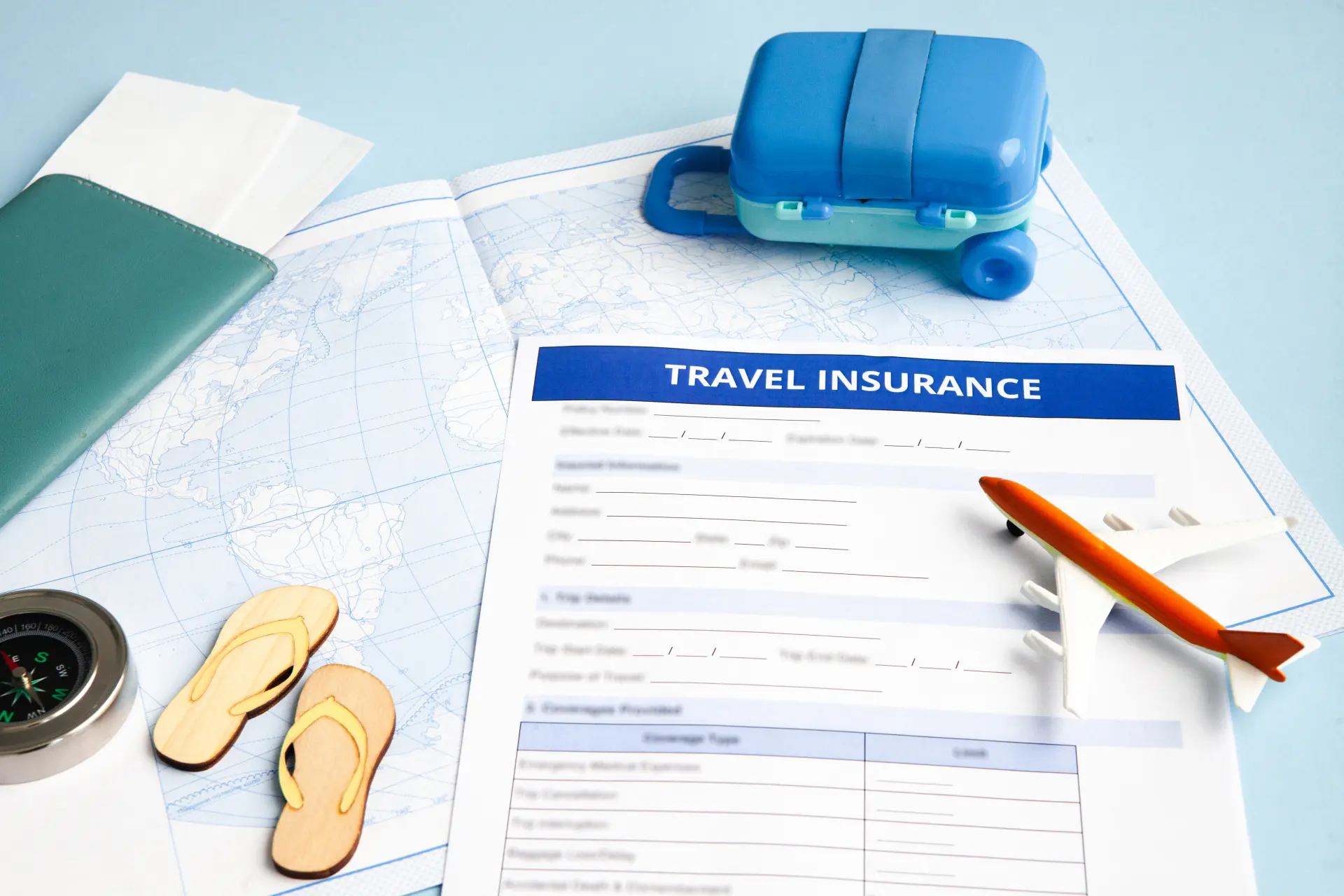
What should your travel insurance cover?
Compare medical cover, cancellation and activity limits across five options, with the exclusions worth checking.
Compare cover & limitsWould a JR Pass save you money?
Add your train journeys and compare individual tickets with the nationwide pass. See which costs less for your route.
Calculate my rail costsFrequently Asked Questions
¥5,000 (excluding tax) per store per day — and this stays the same after the November 2026 reform. Some online guides incorrectly claim the minimum is abolished. It is not. What changes in November 2026 is the consumables-vs-general-goods split (abolished) and the cap on consumables (abolished), not the ¥5,000 threshold.
From November 1, 2026, you pay the full price including consumption tax at the store. The store registers your purchase electronically with the National Tax Agency's Tax-Free Sales Management System. Before checking in your luggage at the airport (or seaport), you present your passport at a tax-free procedure terminal — customs confirms you are exporting the goods, then the refund is processed by the tax-free shop or its contracted refund-service provider. At Narita, Haneda, Kansai, Chubu, Fukuoka, New Chitose and Naha, the Japan Tourism Agency says you can complete that first step online through <a href="/guides/visit-japan-web-guide">Visit Japan Web</a> instead of using a terminal, on dedicated Wi-Fi in the departure lobby before the security checkpoint. The shop or provider decides the refund method and timing; the National Tax Agency lists bank transfer, card or app refunds, and cash at the departure port as possible methods.
From November 2026, opening packaging alone does not automatically disqualify a purchase. However, consuming any of a tax-free consumable in Japan means you must report it to customs staff instead of using the terminal. All tax-free goods in that transaction must be present for export confirmation; if an item is missing, the whole transaction loses eligibility. Keep consumables unused until departure to avoid this problem.
Tax-free shopping exempts (or refunds) Japan's consumption tax on purchases at regular stores in the city. Duty-free refers to shops inside airport security zones that sell goods exempt from import duties and taxes. They are completely separate systems — but remember, duty-free alcohol, tobacco, and high-value items may still count toward customs allowances in your destination country.
Yes. Complete customs export confirmation with the goods available before checking in your bags. From November 2026, use a tax-free terminal or Visit Japan Web where supported on the dedicated airport Wi-Fi. Follow any inspection instructions before bag drop.
Written by
JAPANODE
Based in Japan, sharing real travel tips & local insights for visitors. Follow us on Instagram @thejapanode for daily Japan content.